Driveway, Patio and Garden Guides
Straight answers to the questions we get asked most, written by Rob France from 24 years in the trades. No sales pitch: if the cheaper option suits you better, we'll say so.
Which should I choose?
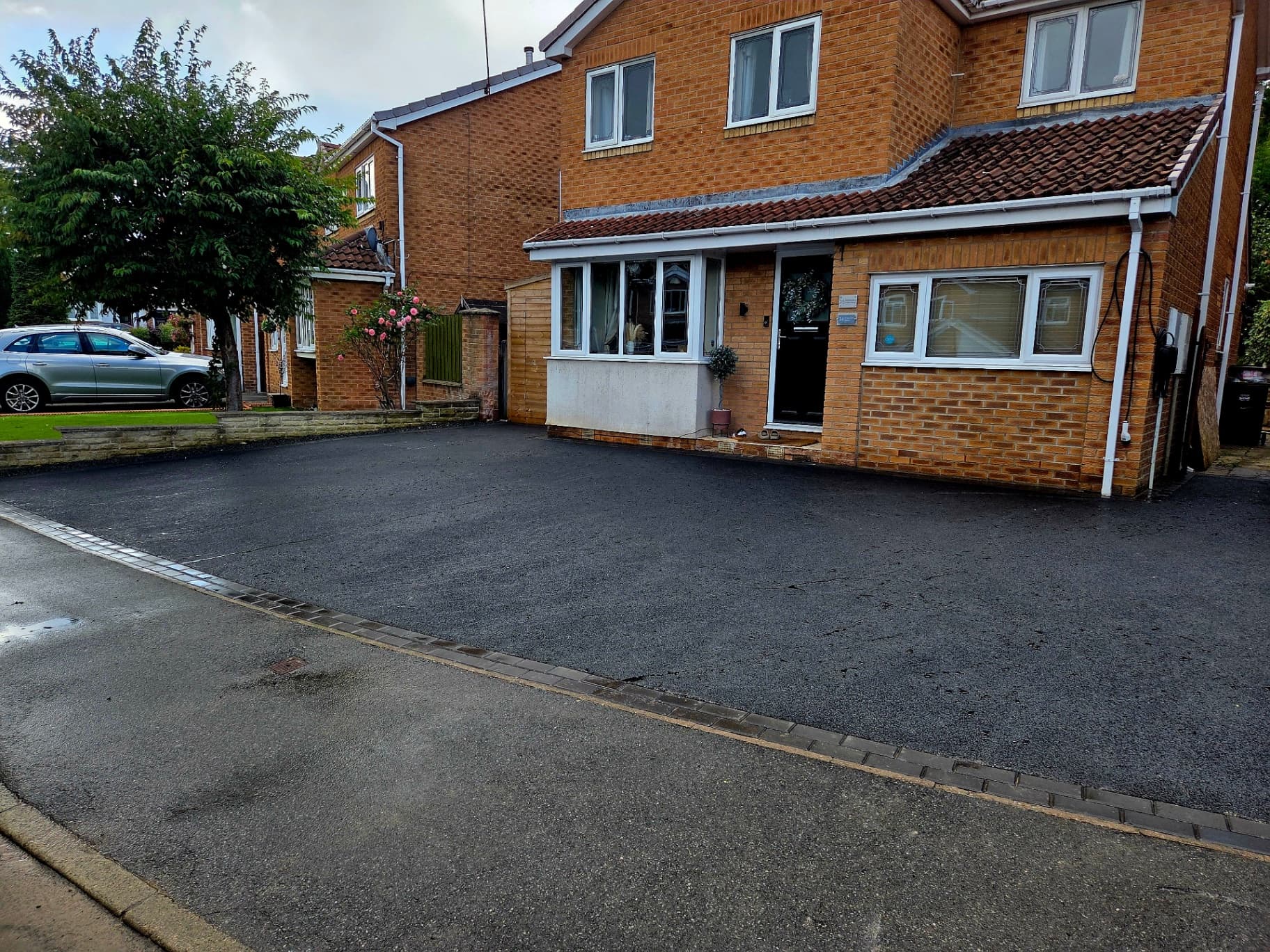
Tarmac vs Block Paving vs Resin: Which Driveway Is Right for You?
Tarmac is the hardest-wearing, lowest-maintenance option and suits most family driveways. Block paving gives you the most choice of colour and pattern and is easy to repair in patches. Resin bound gives a smooth, decorative, permeable finish but depends completely on a sound base underneath. All three last 10+ years if the sub-base is built properly, and fail early if it isn't.
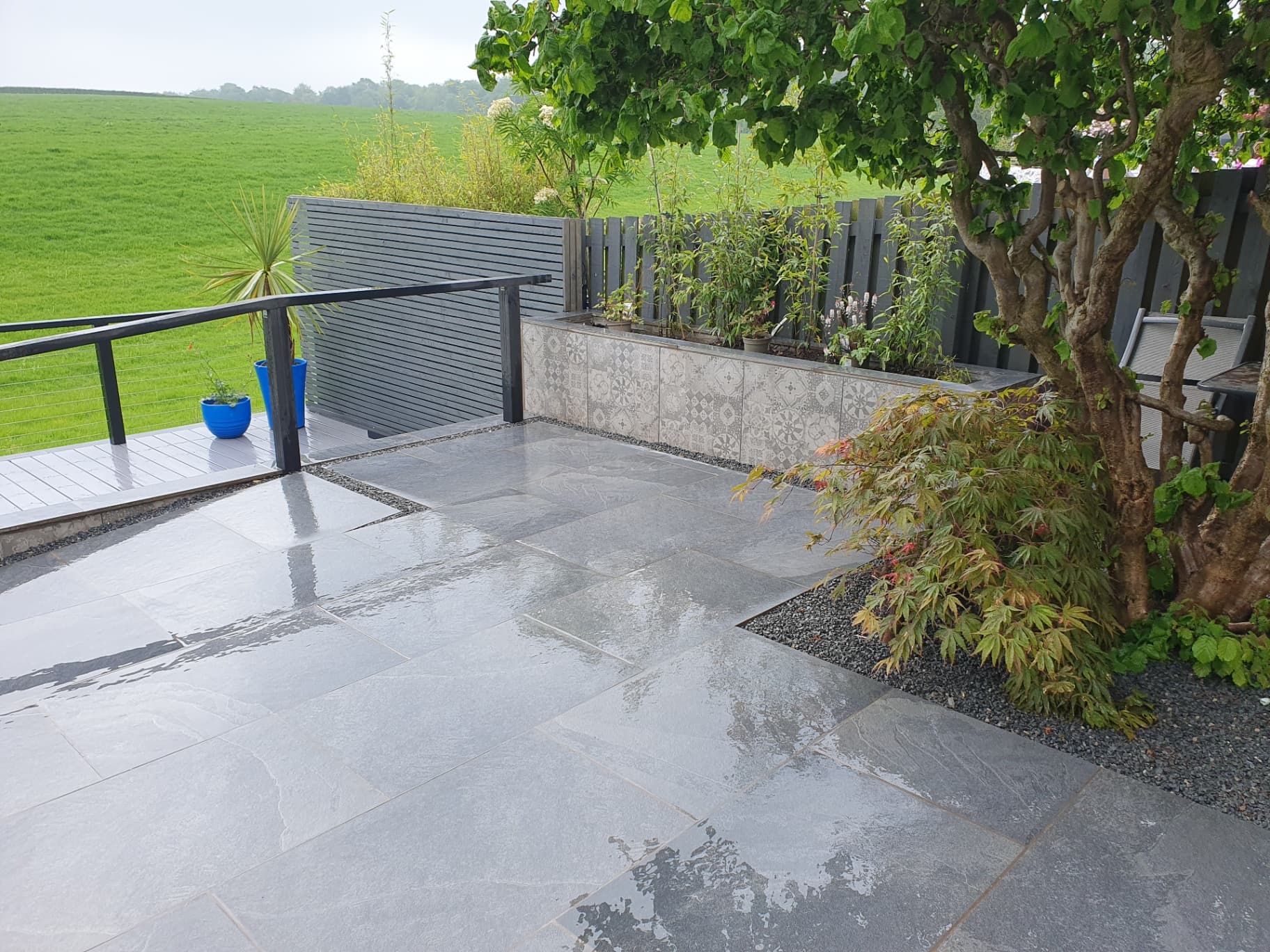
Porcelain vs Indian Sandstone: Which Patio Should You Choose?
Porcelain is the lower-maintenance choice: it doesn't stain, fade or need sealing, and every slab is consistent. Indian sandstone has natural variation and character but is porous, so it needs sealing and more cleaning. Porcelain must be primed and fully bedded to stay put; sandstone is more forgiving to lay. Both last for decades on a proper sub-base.
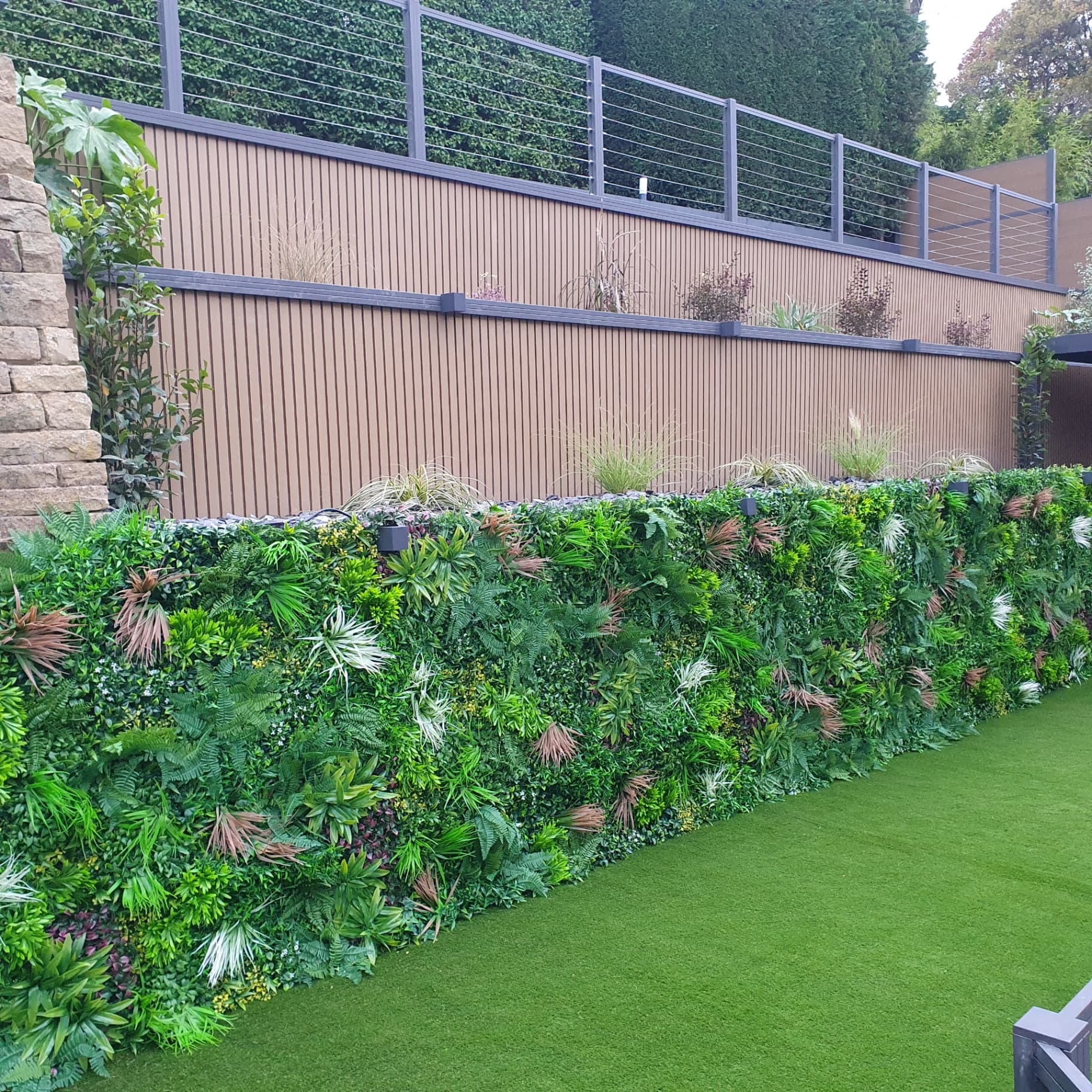
Artificial Grass vs Real Turf: An Honest Comparison
Artificial grass wins on maintenance: no mowing, no mud, and it looks the same all year, which suits busy families, dog owners and shady gardens where real grass struggles. Real turf is cooler in summer, better for wildlife and costs less up front. Artificial grass only works if it's laid on a dug-out, free-draining base; laid on soil it will puddle and lift.
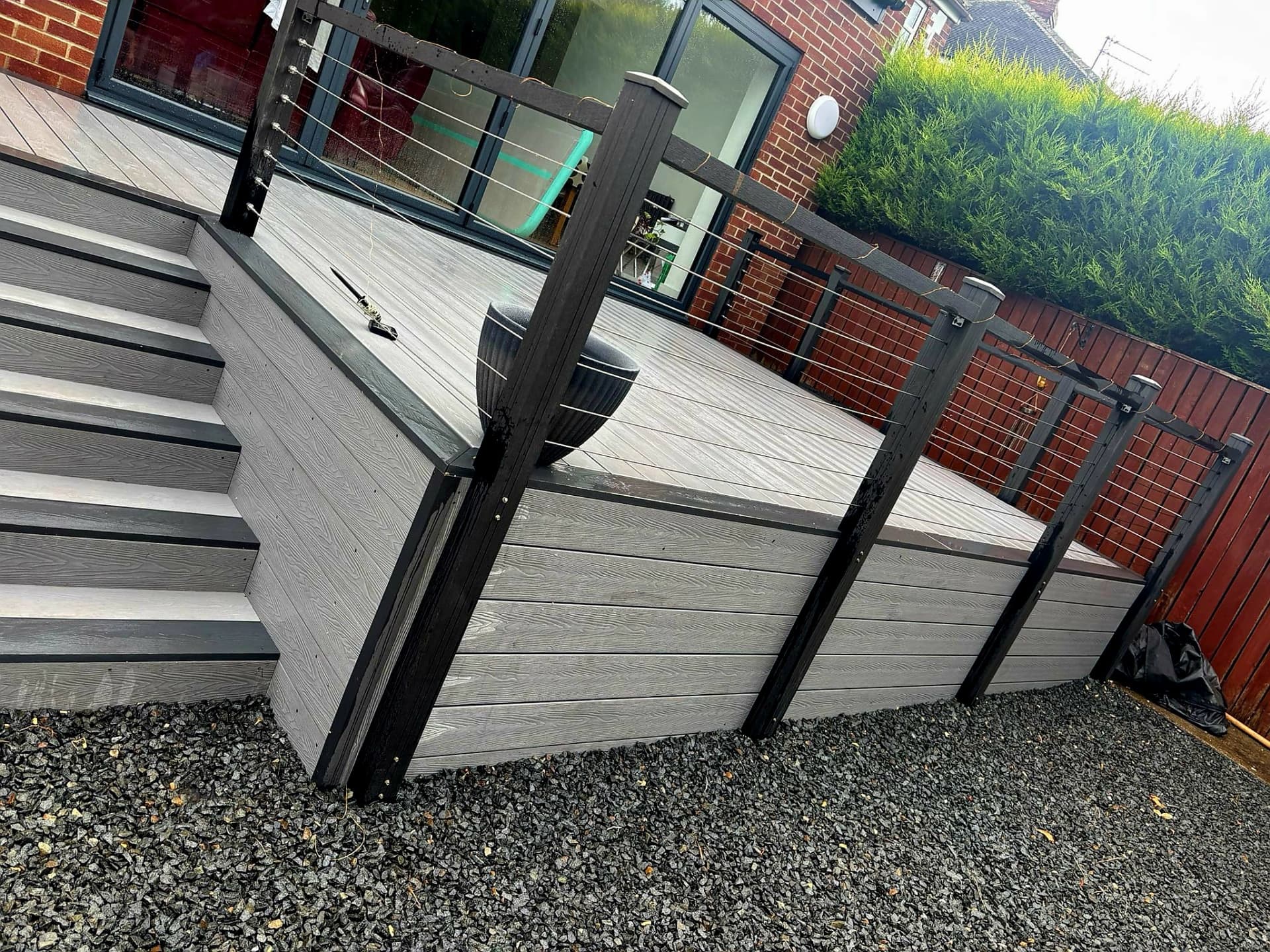
Composite vs Timber Decking: Which Is Worth It?
Composite decking costs more up front but doesn't rot, splinter or need staining, and keeps its colour far longer. Timber is cheaper and natural but needs treating every year or two and will eventually rot. With either, the deck lasts only as long as the frame underneath, so frame spacing, foundations and ventilation matter more than the boards.
Problems and how to fix them
Why Is My Driveway Sinking? Causes and Fixes
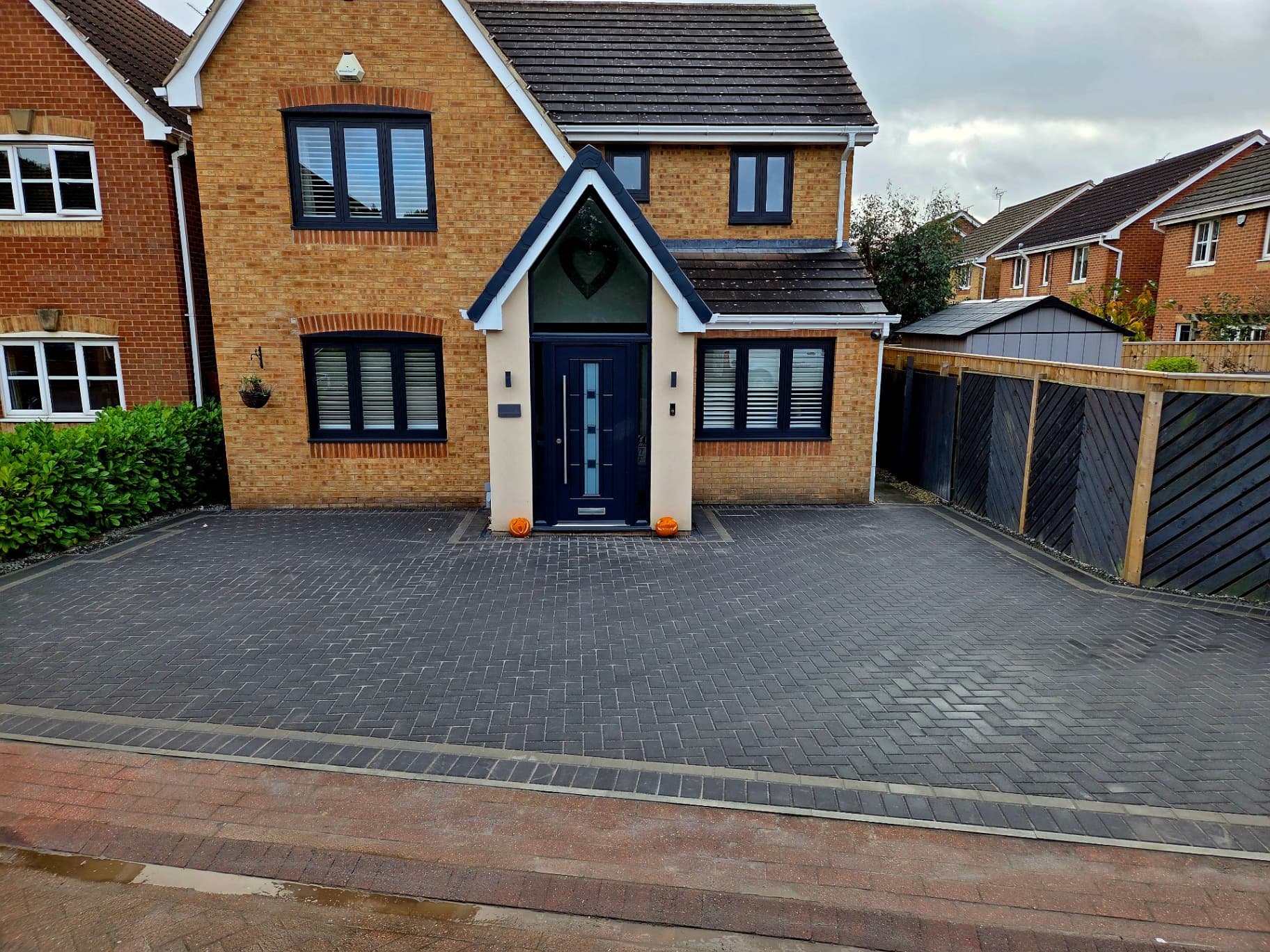
Almost every sinking driveway has a base problem: the sub-base was too thin, wasn't compacted in layers, was laid on soft ground, or water is getting underneath and washing it out. Resurfacing on top doesn't fix it. The lasting fix is to dig out the failed area, find the cause, and rebuild with a properly compacted sub-base and drainage.
Why Does My Patio Hold Water? Causes and Fixes
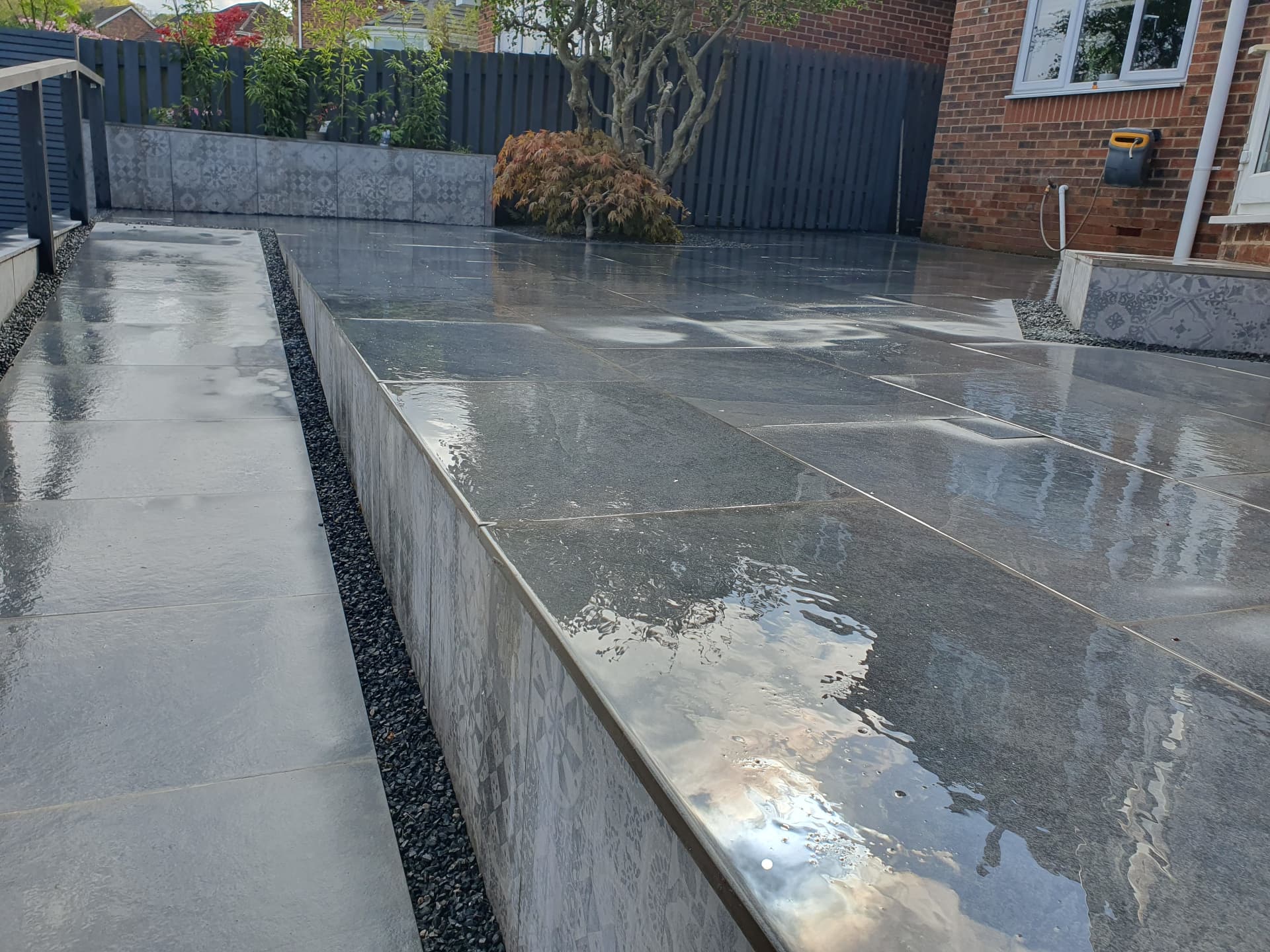
Water sits on a patio when it was laid without a proper fall, when slabs have sunk because the sub-base or bedding was poor, or when there's nowhere for the water to drain to. A patio should fall gently away from the house towards a lawn, border, channel or soakaway. Fixing it usually means lifting the affected slabs and relaying them to the right levels.
Do I Need Planning Permission for a Driveway?
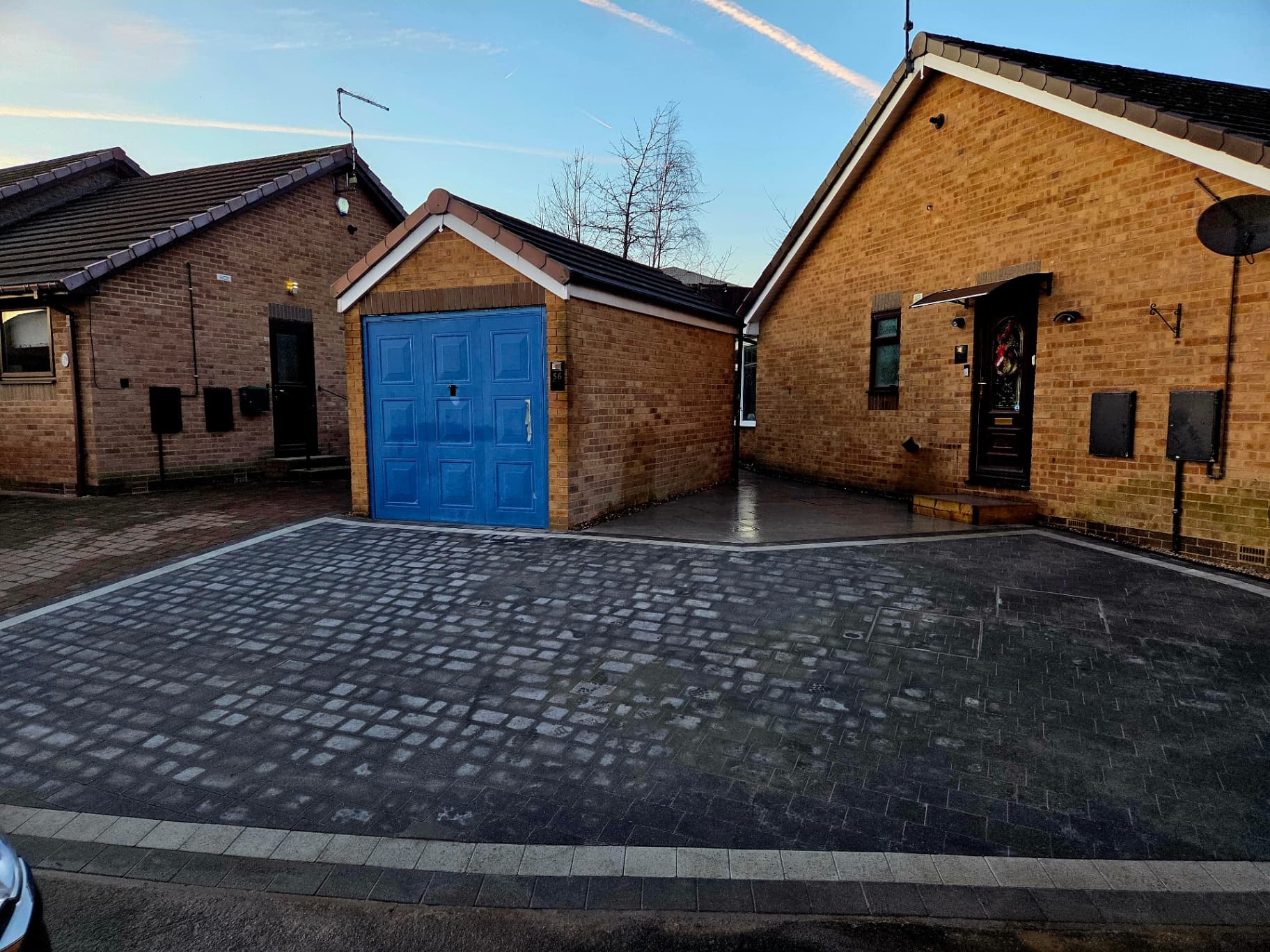
In England you don't need planning permission for a front driveway if it uses a permeable surface, or if rainwater runs off onto a lawn, border or soakaway within your property. You do normally need permission if the new hard surface is over 5m² and drains onto the road. A dropped kerb is a separate approval from the council, needed whenever you cross a pavement or verge to reach the drive.
Ready to Discuss Your Project?
Tell us what you're after and we'll come out, measure up and give you a written quote that shows exactly what's being built.